How Quality Control Measures Can Ensure Successful Project Delivery and Client Satisfaction
In the construction industry, delivering projects on time, within budget, and to the client’s satisfaction is crucial for building a strong reputation and securing future business. One key factor that can make all the difference is quality control. Effective quality control measures can ensure that projects are completed to the highest standards, reducing errors, defects, and costly rework.
In this blog post, we’ll look into the importance of quality control in construction projects, discuss the benefits of implementing quality control measures, and provide practical tips on how to ensure successful project delivery and client satisfaction.
Why Quality Control Matters
Quality control is essential in construction projects because it ensures the safety, durability, and functionality of buildings and infrastructure, preventing costly defects, reducing risks, and enhancing client satisfaction and also enhance reputation.

Benefits of Quality Control Measures
Implementing quality control measures can bring numerous benefits to construction projects, including:
- Improved Productivity: Quality control processes can streamline workflows, reduce waste, and optimize resource allocation.
- Cost Savings: By identifying and rectifying errors early, quality control measures can minimize costly rework, reduce waste, and avoid budget blowouts.
- Enhanced Safety: Quality control measures can identify potential safety hazards, ensuring that projects are completed safely and efficiently.
- Increased Client Confidence: By demonstrating a commitment to quality, construction companies can build trust with clients, enhancing their reputation and increasing the likelihood of repeat business.
Practical Tips for Implementing Quality Control Measures
To ensure successful project delivery and client satisfaction, consider the following quality control measures:
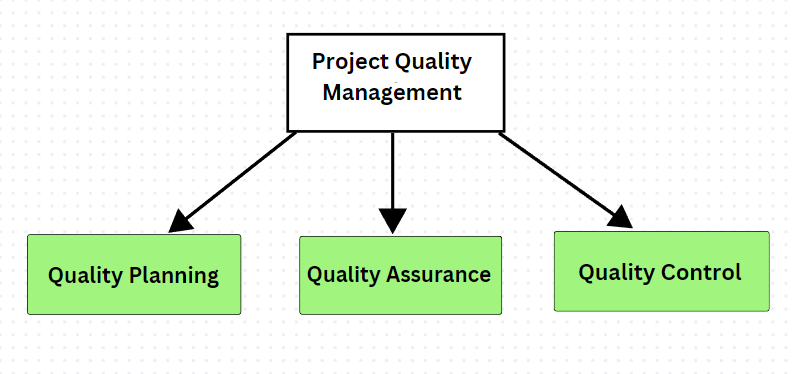
- Develop a Quality Control Plan: Establish a comprehensive quality control plan that outlines procedures, protocols, and standards for the project.
- Conduct Regular Inspections: Regular inspections can identify potential issues early, enabling prompt corrective action and minimizing costly rework.
- Train and Empower Staff: Ensure that staff are trained and empowered to identify and report quality issues, and that they understand the importance of quality control.
- Use Technology: Leverage technology, such as building information modeling (BIM) and quality management software, to streamline quality control processes and improve accuracy.
- Continuously Monitor and Improve: Regularly review and refine quality control processes to ensure they remain effective and efficient.
Conclusion
Quality control is a critical component of successful project delivery and client satisfaction in the construction industry. By implementing effective quality control measures, construction companies can ensure that projects are completed to the highest standards, reducing errors, defects, and costly rework. By following the practical tips outlined in this blog post, construction companies can enhance their reputation, build trust with clients, and drive long-term success.
Get Started with Quality Control
Whether you’re a construction company or a project manager, it’s essential to prioritize quality control in your projects. Start by:
- Developing a comprehensive quality control plan
- Conducting regular inspections and audits
- Training and empowering staff
- Leveraging technology to streamline quality control processes
- Continuously monitoring and improving quality control measures
By prioritizing quality control, you can ensure successful project delivery, enhance client satisfaction, and build a strong reputation in the construction industry.