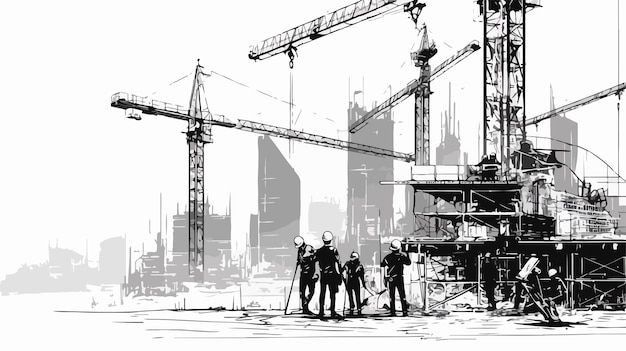
As a construction engineer, I know that successful projects rely on more than just individual expertise – they require a collective effort. The power of collective construction process is about bringing together diverse stakeholders, leveraging technology, and fostering a culture of collaboration to deliver projects that are on time, within budget, and to the highest quality and it’s also a major factor for a successful project delivery.
Let’s check through some factors that makes a collective construction process important in the construction industry.
Why Collective Construction Matters
Collective construction processes offer numerous benefits, including:
- Improved Communication: Enhanced collaboration and coordination among stakeholders reduce errors and delays.
- Increased Efficiency: Streamlined workflows and shared responsibilities boost productivity and reduce costs.
- Better Decision-Making: Diverse perspectives and expertise lead to more informed decisions.
- Risk Mitigation: Shared risk and collective problem-solving minimize project disruptions .
Key Strategies for Collective Construction Success
- Establish Clear Goals: Define project objectives and ensure all stakeholders are aligned.
- Foster Open Communication: Encourage transparent and regular communication among team members.
- Leverage Technology: Utilize collaborative tools, such as BIM, cloud-based platforms, and project management software.
- Define Roles and Responsibilities: Clearly outline tasks and expectations for each stakeholder.
- Promote Teamwork: Encourage a culture of mutual respect, trust, and accountability .
Technology Driving Collective Construction
Technologies like Building Information Modeling (BIM), cloud collaboration, and artificial intelligence (AI) are revolutionizing the construction industry. These tools enable real-time data sharing, automate tasks, and provide predictive insights, empowering teams to work more efficiently .
Overcoming Collective Construction Challenges
Common challenges include resistance to change, communication breakdowns, and trust issues. To overcome these, focus on:
- Communicating the benefits of collective construction
- Establishing clear communication channels
- Fostering a culture of trust and respect
By embracing the power of collective construction, we can deliver projects that are smarter, safer, and more sustainable. Let’s work together to shape the future of construction .