It’s easy to get caught up in the latest BIM software or modular building techniques, but sometimes, looking back at how our ancestors built can offer profound insights. And understanding the differences, and even surprising similarities, between these two approaches is crucial for anyone involved in shaping our built environment.
Let’s dig deep into both, explore their distinctions, how they’re managed, and how they contribute to the economics of our industry.
The history of human civilization is, in many ways, the history of construction. From ancient mud huts to gleaming glass towers, our ability to build has defined our progress. While the fundamental need to create shelter and infrastructure remains, the “how” has evolved dramatically.
1. Native Construction (Traditional/Vernacular Construction)
What it means: Native construction refers to building methods and designs that are indigenous to a particular region or culture, developed over generations using locally available materials and adapted to local climate, environment, and social needs. It’s often passed down through apprenticeship and oral tradition rather than formal education.
Explanation in Detail:
Local Materials: This is the hallmark. Structures are typically built using readily accessible materials like earth (mud, adobe, rammed earth), timber, stone, thatch, bamboo, reeds, or ice (e.g., igloos). The material choice is driven by what’s abundant and easily harvested or processed nearby.
Climate & Environment Adaptation: Designs are inherently responsive to their surroundings. Thick adobe walls in arid regions provide thermal mass to keep interiors cool during hot days and warm at night. Elevated stilt houses in flood-prone areas or humid climates protect from water and allow airflow. Steep thatched roofs shed heavy rain efficiently.
Simple Tools & Techniques: Construction often relies on manual labor and basic tools. Techniques are refined through centuries of trial and error, focusing on efficiency and durability with limited technology.
Community-Driven: Often, native construction involves communal effort, with knowledge shared and applied collectively. The builder is often also the occupant or a member of the community.
Sustainable by Design: Due to material constraints and lack of advanced transport, native buildings are inherently sustainable. Materials are renewable, non-toxic, and often biodegradable. The energy expended in construction (embodied energy) is minimal.
Examples: Adobe homes in the American Southwest, timber-frame longhouses of indigenous peoples, mudbrick dwellings in Africa, traditional Japanese wooden houses, and igloos in the Arctic.
2. Modern Construction Process
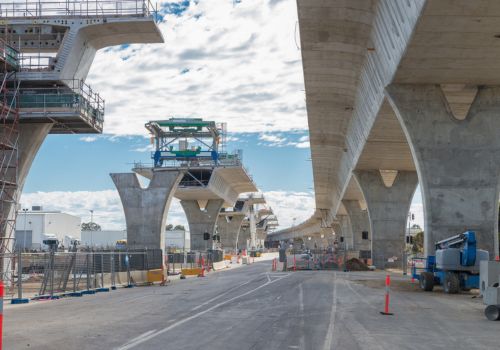
What it means: Modern construction refers to the contemporary, industrialized approach to building, characterized by the extensive use of engineered materials, advanced machinery, standardized practices, specialized labor, and often, complex project management methodologies. It’s driven by efficiency, scale, safety, and increasingly, digital integration.
Explanation in Detail:
Engineered Materials: Relies heavily on manufactured and processed materials like reinforced concrete, steel, glass, asphalt, plastics, and various composite materials. These materials are chosen for their specific performance characteristics (strength, durability, insulation, aesthetic).
Advanced Machinery & Technology: Construction is highly mechanized, utilizing cranes, excavators, bulldozers, prefabrication plants, and sophisticated power tools. Digital technologies like BIM, drones, AI, and advanced software for design, planning, and project management are integral.
Standardization & Specialization: Emphasizes standardized components, modular construction, and highly specialized trades. Each aspect of the building process, from foundation to finishing, is handled by experts in that specific field.
Formal Management: Projects are managed by formal project management teams, often adhering to internationally recognized standards (e.g., PMI, PRINCE2). Detailed contracts, schedules, and quality control procedures are standard.
Global Supply Chains: Materials are often sourced globally, prioritizing cost-effectiveness, specific properties, and availability, rather than just locality.
Examples: High-rise buildings, large-scale infrastructure (bridges, highways), modern commercial complexes, and residential developments using steel frames, concrete slabs, and extensive glazing. Key Differences: A Side-by-Side View
[wptb id=1436]
How Are They Managed?
Native Construction Management:
Informal & Community-Based: Management is often organic, collaborative, and less formalized. Decisions might be made through consensus.
Experiential Knowledge: Builders rely heavily on accumulated practical experience and traditional wisdom.
Flexibility: Designs and methods can be adapted on the fly based on site conditions or evolving needs, as there are fewer rigid plans.
Direct Oversight: The “manager” (often the lead builder) is usually directly involved in the physical work and has a holistic understanding of the entire process.
Modern Construction Management:
Hierarchical & Structured: Involves complex organizational charts, defined roles (Project Manager, Site Superintendent, QA/QC Manager, etc.), and clear chains of command.
Data-Driven: Extensive use of digital tools for scheduling (Gantt charts, critical path method), budgeting, risk management, quality control, and progress tracking. BIM allows for clash detection and precise material ordering.
Contractual Compliance: Strict adherence to detailed contracts, specifications, and regulatory frameworks. Legal and financial management are paramount.
Specialized Expertise: Management often requires degrees in construction management, engineering, or related fields, alongside practical experience.
How Do They Contribute to Monetization in the Construction Industry?
Both approaches, despite their differences, have their place in generating economic value within the construction industry:
Native Construction (Monetization):
Niche Markets: Increasingly valued for heritage restoration, eco-tourism projects, sustainable housing initiatives, and authentic cultural experiences.
Low-Cost Housing: Provides affordable and culturally appropriate housing solutions in developing regions, fostering local economies.
Local Labor & Materials: Supports local economies directly by relying on local craftspeople and material suppliers, keeping money circulating within the community.
Green” Premium: Growing demand for truly sustainable, low-impact, and healthy homes can command a premium in certain markets.
Skills Preservation: Keeps traditional building skills alive, which can be monetized through workshops, training, and specialized contracting.
Modern Construction (Monetization):
Mass Scale & Efficiency: Allows for the construction of large-scale infrastructure and developments, driving massive economic activity and employment.
Innovation & Technology: Investments in new materials, machinery, and software create new industries and revenue streams (e.g., BIM software developers, drone service providers).
Specialized Services: High demand for highly specialized engineering, design, project management, and construction services.
Global Reach: Enables companies to operate internationally, leveraging global supply chains and expertise.
High Value Assets: Creates high-value commercial, residential, and industrial assets that drive economic growth, commerce, and property markets.
Risk Management & Predictability: Sophisticated management techniques reduce financial surprises, making projects more attractive to investors and ensuring profitability.
The Blending of Worlds: Hybrid Approaches
It’s important to note that these two approaches are not always mutually exclusive. Increasingly, we see hybrid construction where modern techniques are used to support traditional forms, or where modern buildings incorporate sustainable, locally sourced materials and passive design principles (vernacular architecture). The goal is often to marry the efficiency and strength of modern methods with the sustainability and cultural resonance of native building traditions.
Ultimately, understanding both native and modern construction processes gives us a richer perspective on how to build effectively, efficiently, and responsibly – for profit, for people, and for the planet.
What are your thoughts on how these two approaches can complement each other? Share your insights below!